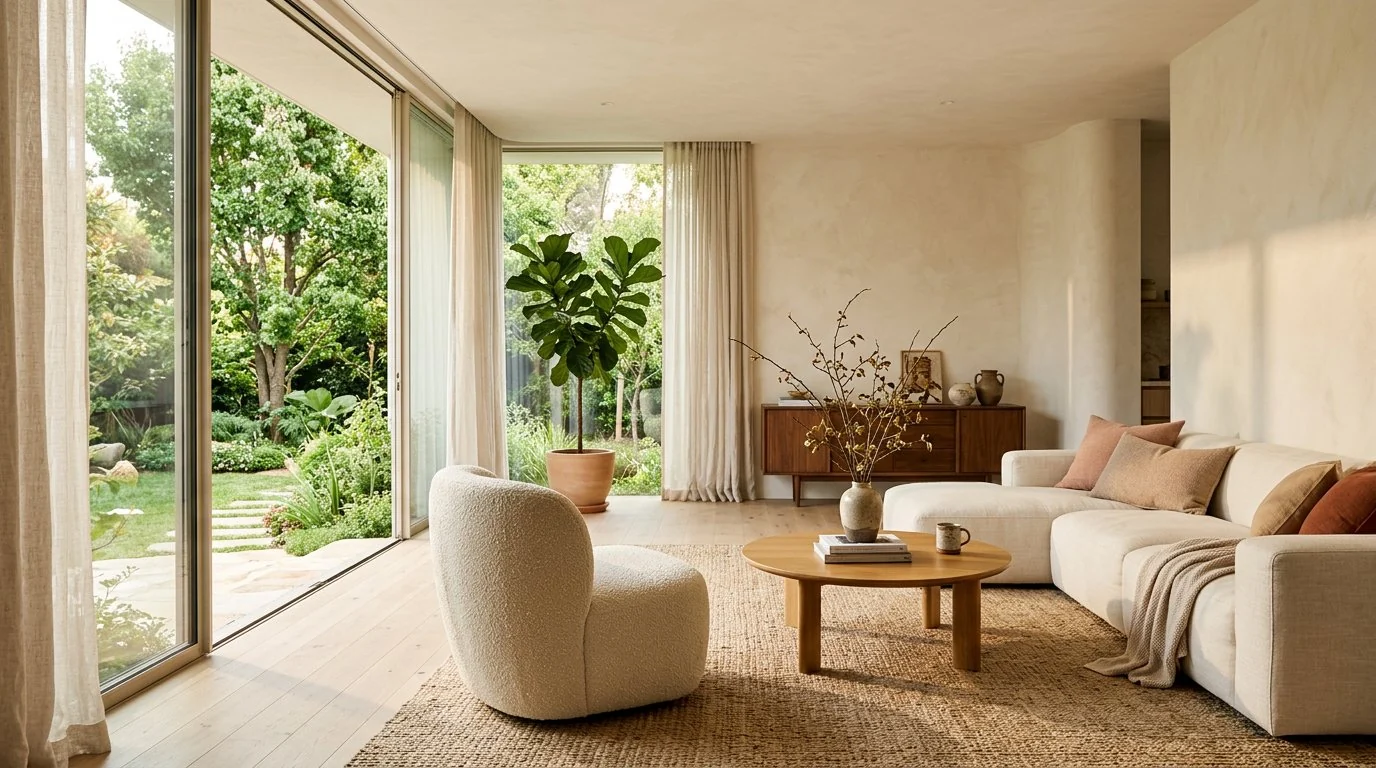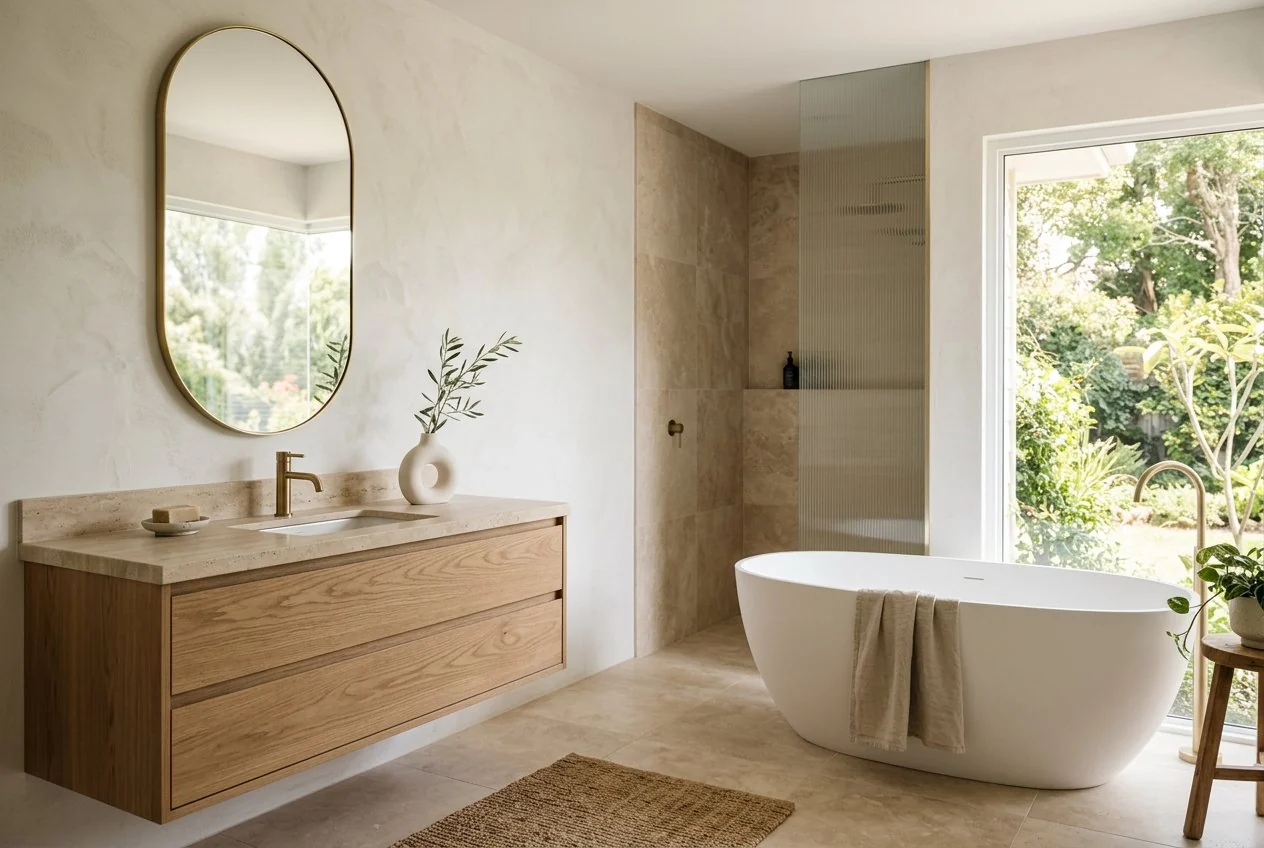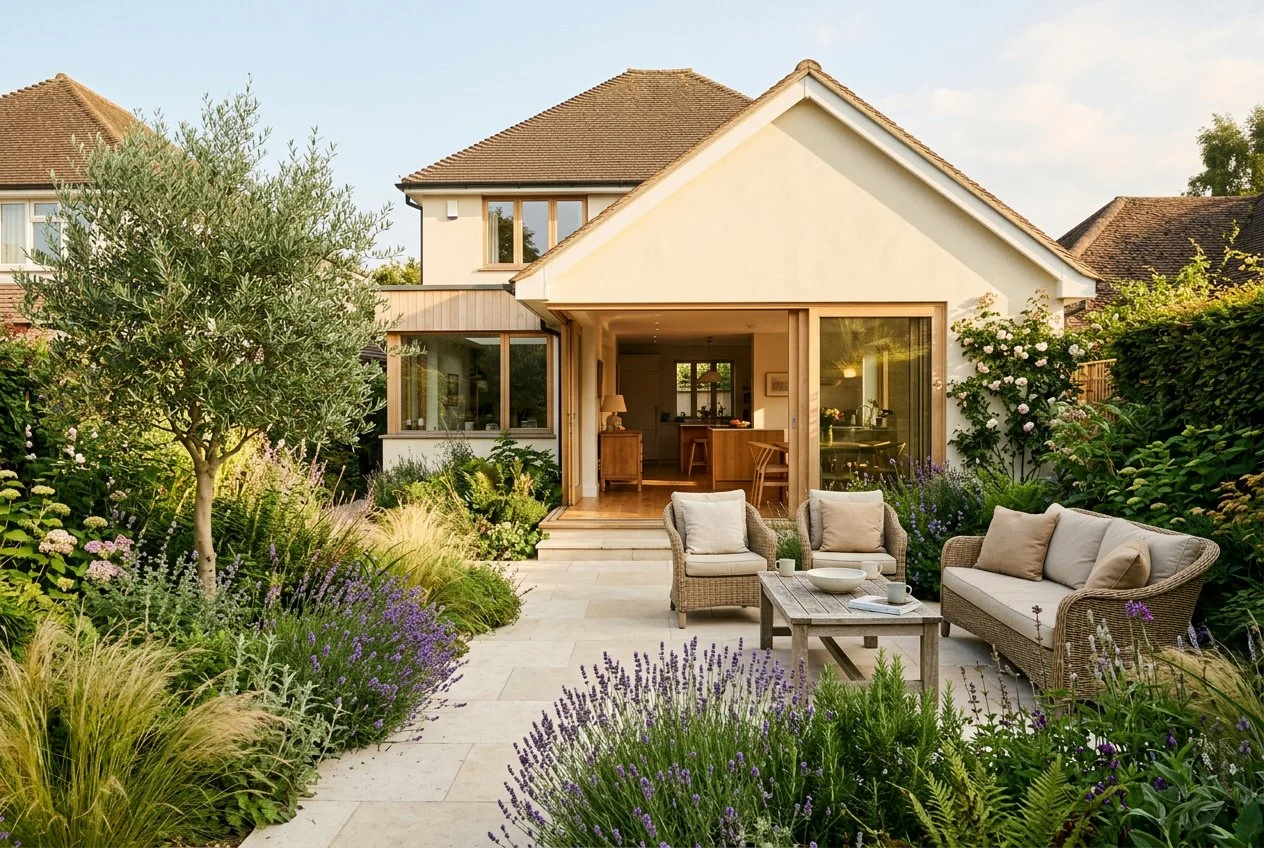
A garden does not have to be grand to become part of daily life. A welcoming place to sit, a view of greenery, and an easy route outside can change the way you experience your home.
The most useful outdoor spaces are shaped around the people who use them. Think about whether you want a quiet place to read, room to gather, a spot to grow herbs, or simply a more beautiful view from your kitchen.
Give the garden a purpose
Begin with the activity you would genuinely enjoy outdoors. A shaded chair may be more valuable than a large dining area if you usually eat inside. If you love entertaining, focus on a comfortable gathering space with an easy connection to your home.
Look at the garden at different times of day. Notice sunlight, wind, neighboring views, and where water settles. These observations help you choose a useful position for seating and identify issues that need professional attention.
Create a natural connection
The transition between indoors and outdoors should feel inviting. Clear the route to the garden, soften the doorway with planting, and consider whether materials can complement each other across the threshold. Related wood tones, warm neutral fabrics, or a repeated green accent can gently connect the spaces.
Any changes to doors, paving levels, drainage, or the building structure should be reviewed by an appropriate professional. A seamless-looking threshold still needs to manage weather, water, and accessibility safely.
Think beyond the patio
Look at your garden from inside the rooms you use most. A leafy planting bed or a carefully placed tree can make an interior feel calmer, even when you are not sitting outdoors.
Choose planting for your setting
A beautiful garden works with its conditions. Consider local climate, soil, available light, and the care you are happy to provide. Locally appropriate planting can create interest while fitting more naturally into the landscape.
Layer different leaf shapes and heights, and allow space for plants to mature. If children or pets use the garden, check plant suitability before choosing varieties. A qualified landscape professional can help you balance planting, drainage, and practical use.
Make comfort part of the plan
Outdoor furniture should invite you to stay awhile. Look for durable finishes, comfortable seating, shade where it is needed, and a practical place to store cushions. Suitable outdoor lighting can make paths easier to navigate and give the garden a gentle evening atmosphere.
Electrical work and fixed outdoor installations require suitable materials and qualified installation. Plan these details early rather than treating them as an afterthought.
Ready to rethink your outdoor space? Explore Home Exterior & Garden Renovation, then tell us about the garden you have in mind. A more welcoming outdoor space begins with understanding how you want to live in it.